
Over the past decade, interest in non-invasive treatments, clinical skincare, and advanced beauty procedures has grown steadily among Nigerian consumers. Clinics have expanded, patient awareness has evolved, and expectations around results have become more sophisticated. But behind that growth has been a quieter, more persistent gap… Access.
Access to training.
Access to technology.
Access to global standards.
For many Nigerian practitioners, that access has historically required travel. Conferences, certifications, and hands-on exposure have largely existed outside the country, creating an industry with clear potential, but uneven infrastructure.
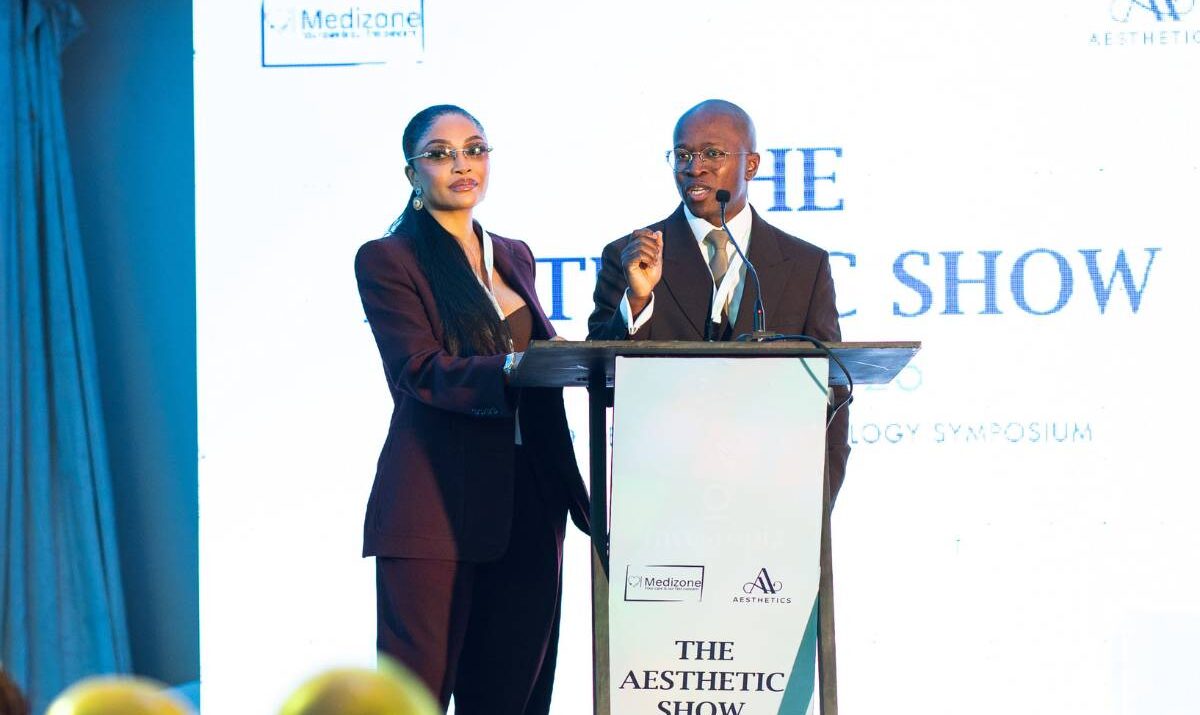
Medizone, a healthcare delivery company, is positioning itself as a bridge between global aesthetic medicine and the African market, bringing knowledge, technology, and clinical standards closer to local practitioners through its recent initiative, The Aesthetics Show Lagos.
The Aesthetics Show Lagos brought together over 70 clinicians, dermatologists, and medical professionals alongside global technology leaders for a day of scientific exchange, live demonstrations, and industry dialogue on treatments ranging from reverse aging and body sculpting to laser and skin rejuvenation.
Nigeria’s aesthetic medicine market is not short on talent or ambition. What it has lacked is a localised system that supports practitioners at scale.
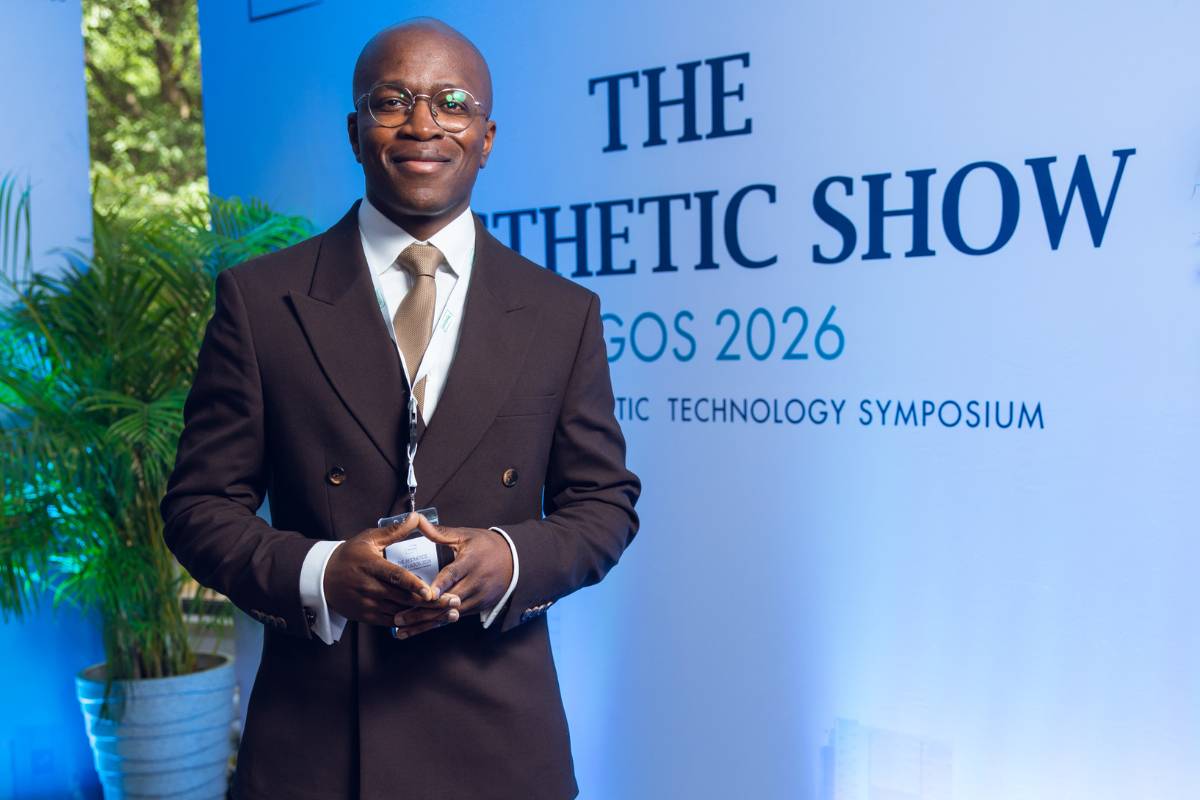
For Dr. Hamza Arisekola Alao, Chief Executive of Medizone, the challenge has been less about capability and more about proximity. The tools, training, and exposure required to operate at a global level have simply not been consistently available within the market.
Nigerian practitioners are talented, motivated, and deeply invested in delivering excellent outcomes for their patients. However, for years, the tools, the training, and the exposure they needed to do that at the highest level have only been available abroad. With The Aesthetics Show in Lagos, we wanted to create a moment where a practitioner in Lagos could stand in front of the same devices, hear from the same experts, and walk away with the same level of clinical education as a practitioner who had just attended a congress in London or Dubai without leaving home. That is the gap we were solving for.
Dr. Hamza Arisekola Alao, Chief Executive of Medizone
A Clear Signal: Global Brands Are Paying Attention
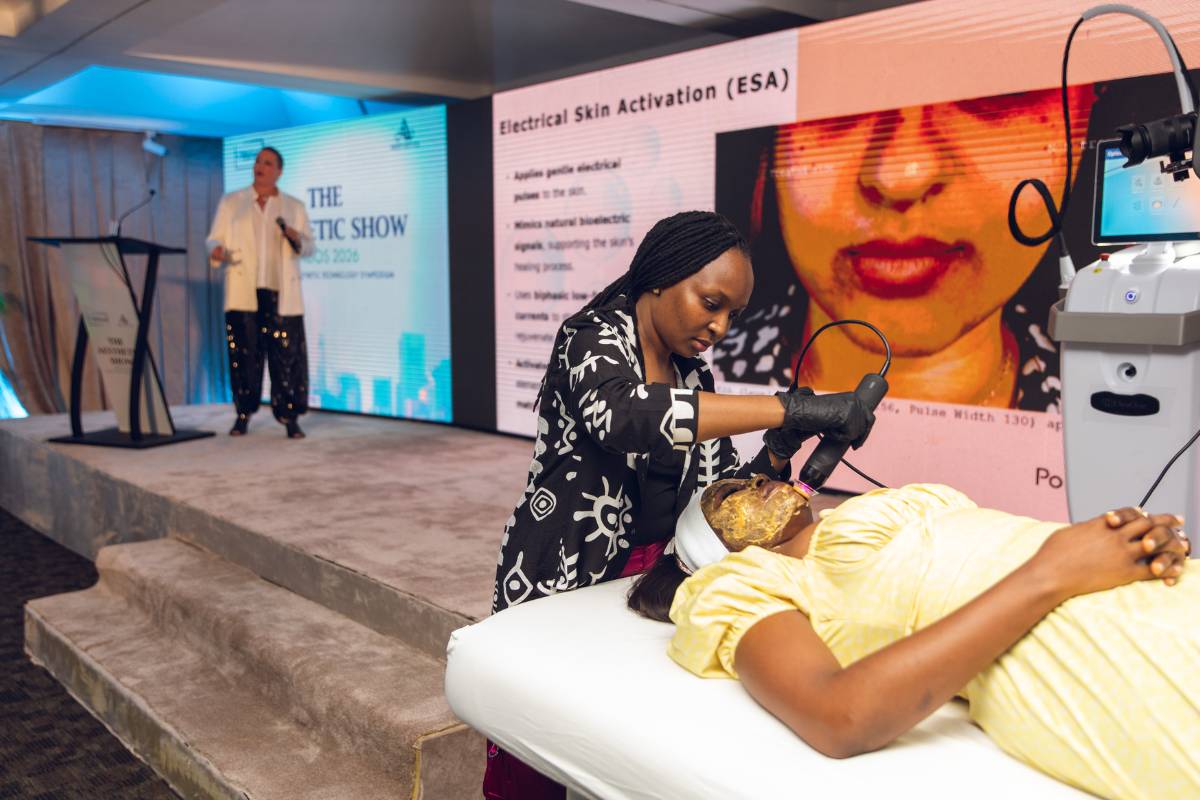
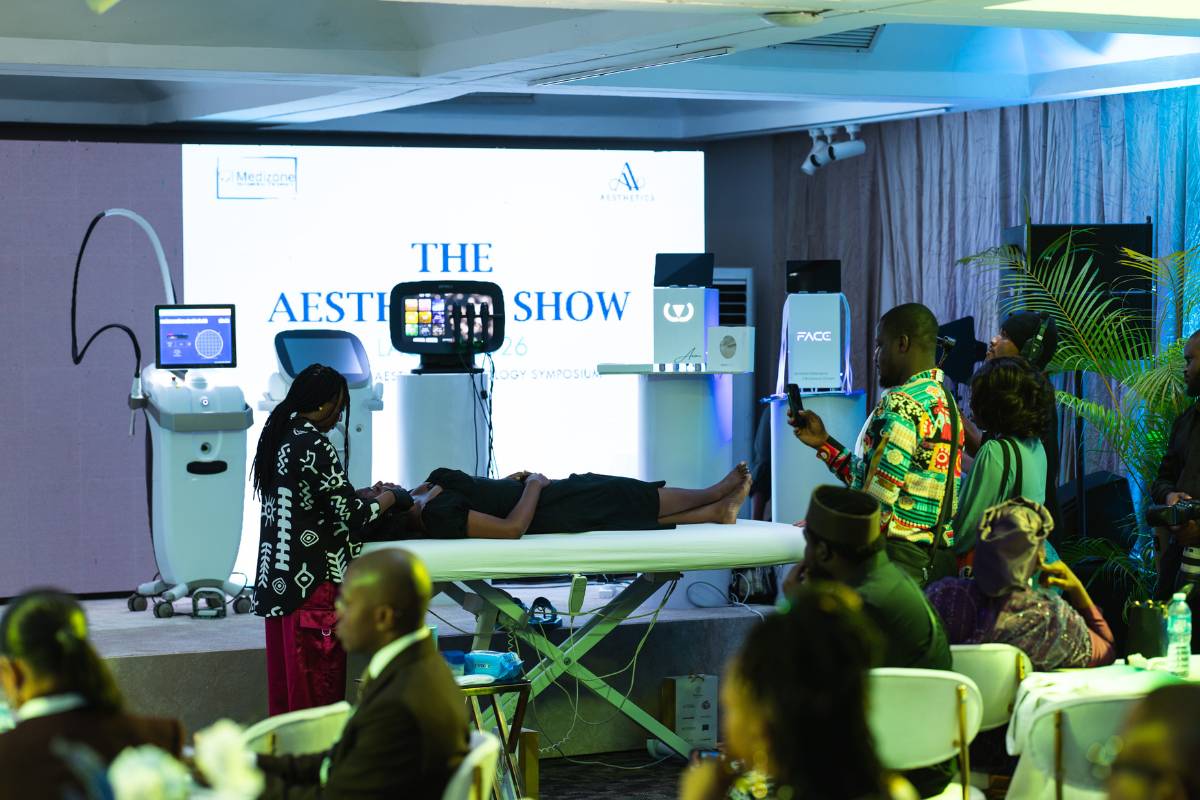
The presence of international aesthetic technology companies such as Lumenis, Sofwave, UltraClear, and ZO Skin Health at the event was not incidental.
According to Dr. Alao, these relationships are built as genuine partnerships, grounded in a shared commitment to clinical excellence and long-term market development. For global brands, entering a market like Nigeria requires more than visibility, it requires investment in education and infrastructure.
What is emerging is not just brand presence, but early-stage ecosystem building. When practitioners are well trained and properly equipped, outcomes improve, and with that comes the foundation for sustainable growth.
Why Training, Not Technology, Is the Real Foundation
One of the clearest insights emerging from The Aesthetics Show Lagos is that access to devices alone is not enough.
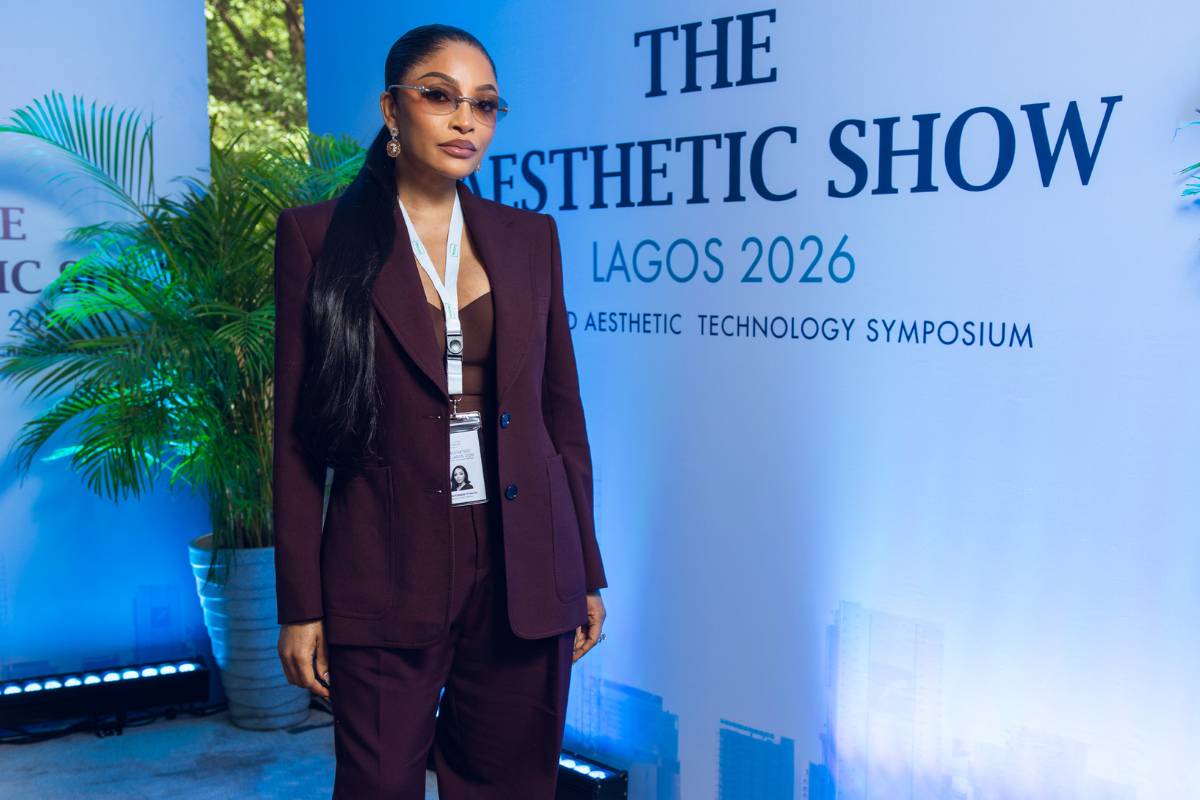
According to Freda Edewor Francis, Director at Medizone and Founder of Oasis Medspa, the more urgent gap is education.
“A device without a well-trained practitioner is a liability.”
Freda Edewor Francis, Director at Medizone and Founder of Oasis Medspa
It’s a distinction that reframes how the industry should be thinking about growth. In a market increasingly defined by access to advanced technologies, the real differentiator is not simply ownership of equipment, but the depth of clinical understanding behind its use.
Freda emphasises that when practitioners are equipped with the right level of training, not just in operating devices, but in the clinical reasoning behind treatment decisions, outcomes improve across the board. Technology adoption becomes more intentional, patient trust deepens, and practices are better positioned for long-term sustainability.
Access To Funding
For all the progress in access and exposure, one challenge remains central, affordability. Advanced aesthetic devices come with significant financial and operational requirements, placing them out of reach for many clinics beyond the top tier. This has historically limited the spread of high-level treatments across the market.
Medizone is beginning to explore solutions to this. As Dr. Alao notes, the company has engaged with financial institutions to create potential credit pathways for clinics looking to invest in new technologies.
The implication is significant. If clinics are able to access financing to upgrade their capabilities, the industry could begin to see a more even distribution of advanced treatments, moving beyond a concentration at the very top end of the market.
The Next Phase: The Rise of the Mid-Market
Perhaps the most defining insight for the future of aesthetic medicine in Nigeria lies in where growth will come from next. For Freda Edewor Francis, the market is at a critical inflection point.
The biggest growth opportunity over the next three to five years, in my view, is in the mid-market. The premium end is already well served. What is underserved is the large and growing segment of consumers who want access to quality aesthetic medicine but cannot yet access it at a price point that works for them. The clinics that figure out how to serve that segment without compromising on standards will define the next chapter of this industry in Nigeria.
Freda Edewor Francis, Director at Medizone and Founder of Oasis Medspa
Clinics that are able to balance accessibility with clinical excellence, offering safe and effective treatments at more attainable price points, are likely to lead the market over the next three to five years. Achieving this balance, however, depends on the very elements now being developed, training, infrastructure, and access to the right technologies.
Building What Comes Next

If The Aesthetics Show Lagos 2026 represents a starting point, its real impact will be measured in what follows. For Medizone, this is not a one-off moment. Dr. Alao describes the Lagos edition as proof of what is possible, with plans already underway to expand the platform and continue building the structures that support long-term industry growth.
Sustained progress will require more than singular events. It will depend on continuous education, stronger professional frameworks, deeper partnerships with global brands, and a collective commitment from practitioners to ongoing learning. What is being built is not just visibility, but infrastructure.
The question is no longer whether Nigeria will participate in the global aesthetics conversation. That is already happening. The real question is: Who will shape how that participation evolves, and how accessible, structured, and locally grounded the industry becomes in the years ahead?