
For years, the default in skincare has been clear: look outward. International brands, global trends, imported routines, these have shaped not just what people buy, but what they trust. So choosing to consistently spotlight African beauty brands isn’t simply preference. It’s a deliberate shift.
For Wanny, the voice behind @ISpeakSkin, that shift began as a personal necessity, and evolved into something far more intentional.
It Started With Experience, Not Advocacy
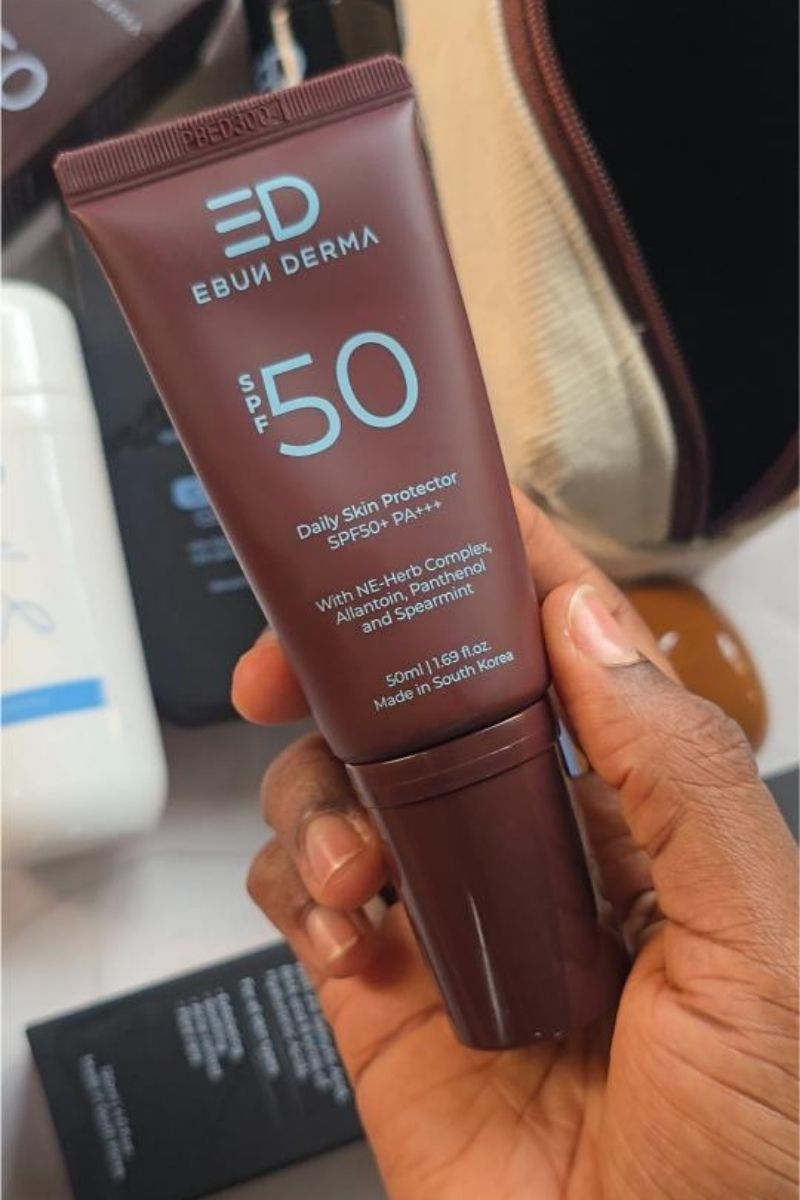
Her entry into skincare wasn’t curated. It was reactive. “My journey started with adult acne. I was trying to fix something I didn’t fully understand, and I leaned toward what I thought were ‘safe’ options, but they actually made things worse.”
What followed was a process of trial, error, and education, one that forced her to better understand her skin and the role of informed product choices. But alongside that learning came a more practical frustration. “I wasn’t a fan of vendor hopping for foreign products.”
That friction led her to explore local alternatives. What she discovered wasn’t a compromise, but a gap. “There were so many Nigerian brands that were effective and thoughtfully formulated, people just weren’t talking about them.”
From Discovery to Deliberate Advocacy
What began as personal exploration quickly became something more defined. “It stopped being just about my routine when I realised the gap wasn’t quality, it was visibility.”
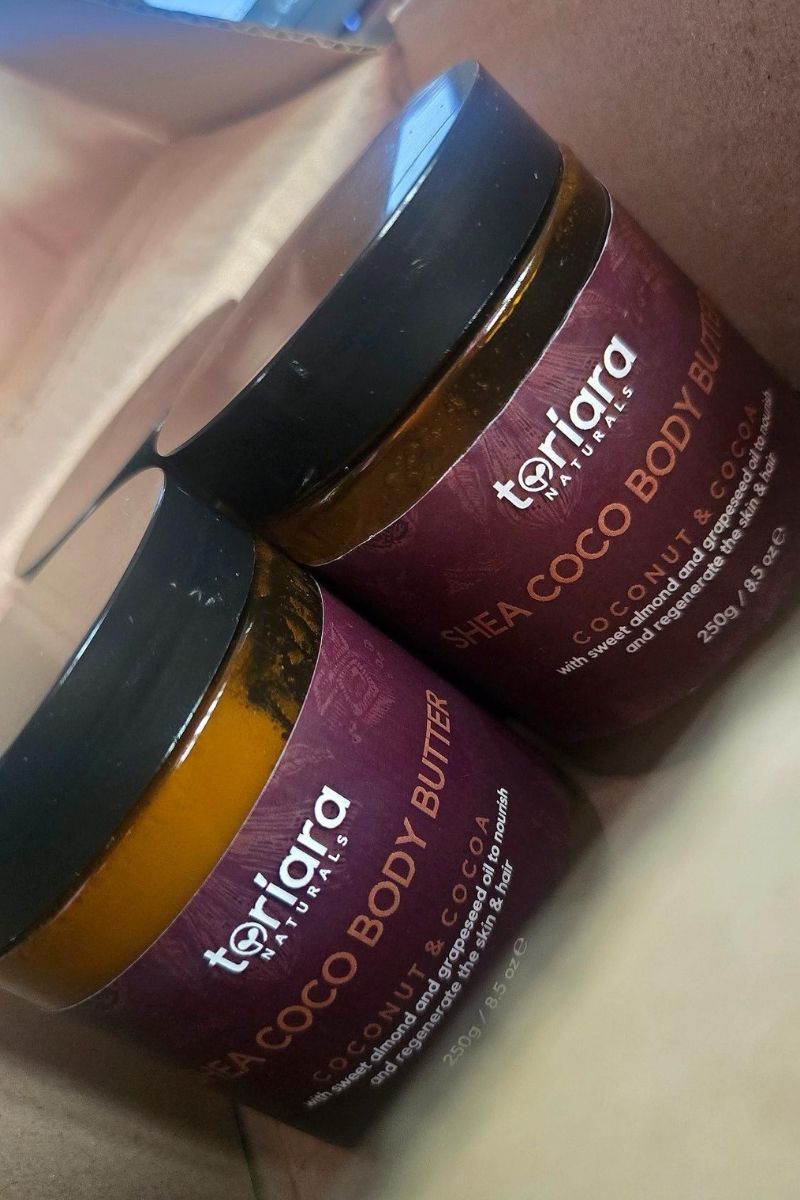
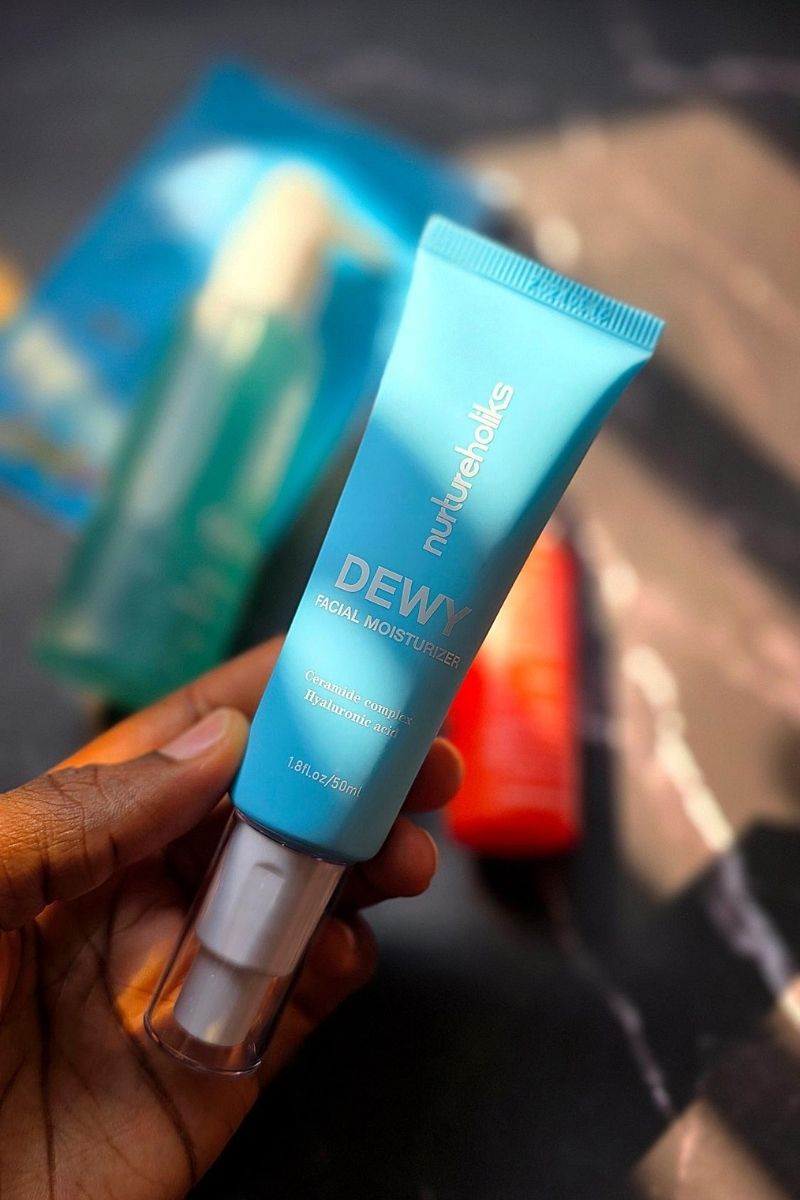
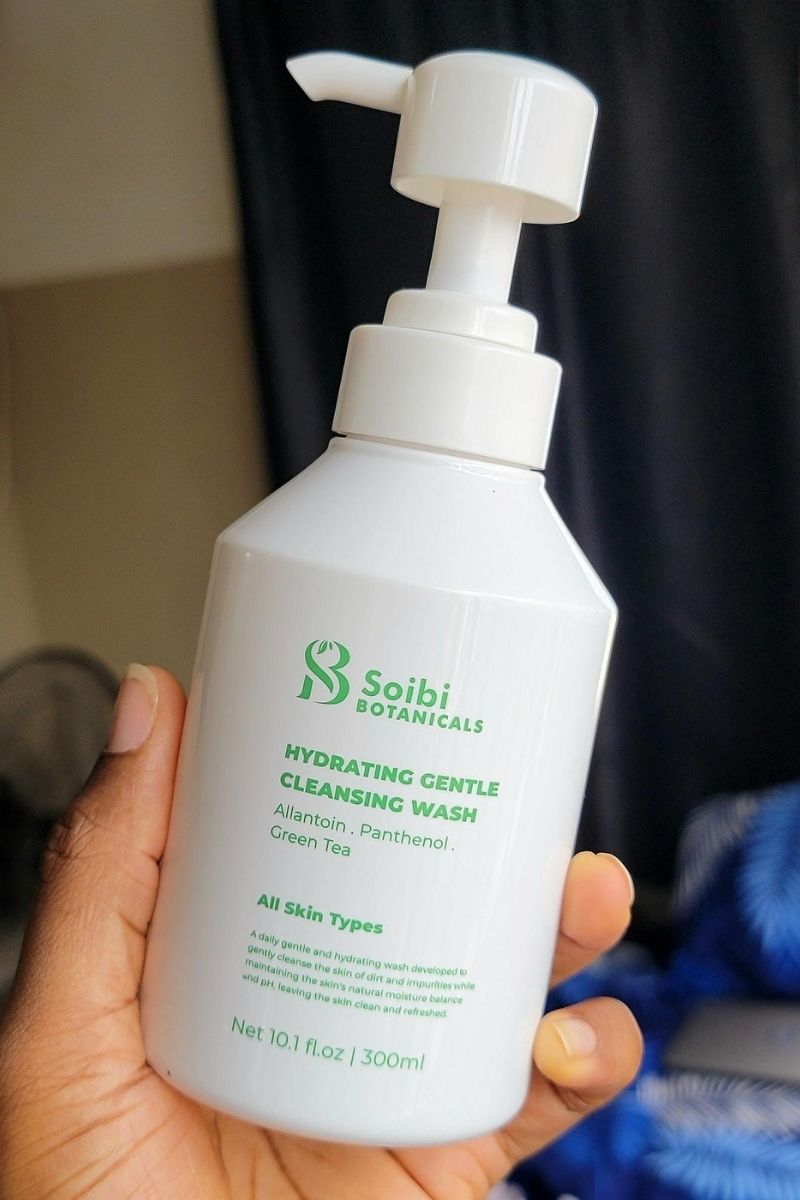
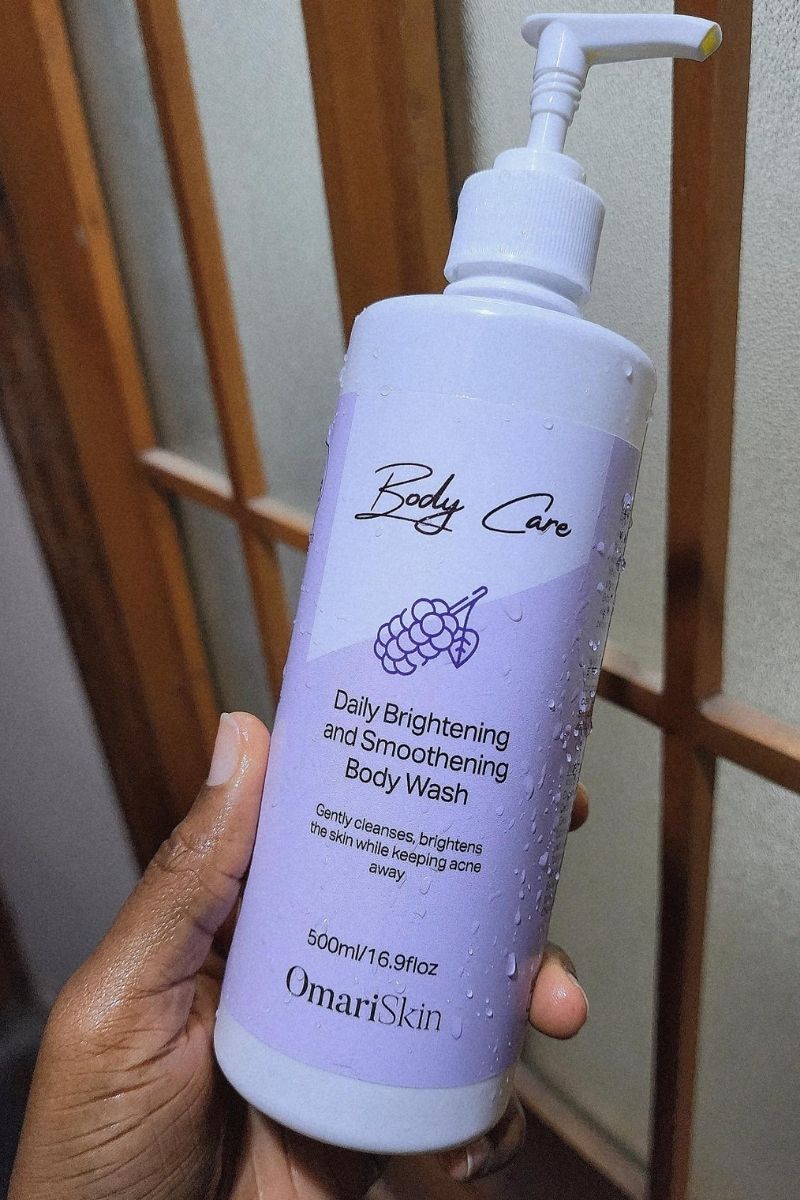
The more she tested, the clearer the disconnect became. Brands were investing in formulation, research, and product development, yet remained under-recognised in a market still oriented outward. “I didn’t see anyone else doing it at the time, so I felt like I had to.”
That decision marked a shift, from participation to advocacy.
Navigating a Market That Looks Outward
Choosing to consistently recommend African beauty brands in a market that often defaults to international products is not without its complexities. For Wanny, the experience has been both affirming and challenging. “It’s fulfilling because I’ve seen firsthand that these products work,” she explains. “But there’s sometimes an extra layer of explanation or proof required when recommending them.”
That additional scrutiny reflects a broader reality within the industry, one where trust is often shaped by familiarity with global brands rather than firsthand experience with local ones. Still, she has remained consistent. “Over time, that consistency helps. People begin to trust your voice when they see results and transparency.”
Challenging Perception, Not Just Performance
“It comes from perception, not reality.”
Wanny
One of the most persistent barriers facing African beauty brands isn’t formulation, it’s perception. Wanny encounters it often. “A common doubt is the belief that Nigerian or African brands lack efficacy, scientific backing, or safety compared to international options.”
It’s a narrative she doesn’t hesitate to push back against. “That thinking is outdated, a tired stereotype,” she says.
In reality, many of the brands she spotlights are working closely with cosmetic chemists, investing in research, and developing products designed with both efficacy and context in mind. “These products are made with our particular skin needs and environment in mind.”
Which is why, in her view, the resistance she encounters is rarely based on experience. “It comes from perception, not reality.” Her response has been simple but effective, consistency, transparency, and results.
Building Trust Through Intentional Recommendations
Operating within that context has shaped how she approaches her platform. “I only recommend what I’ve personally used.”
Her process is deliberate, grounded in both lived experience and a growing understanding of formulation and ingredient behaviour. “If something works consistently and doesn’t compromise my skin, I’ll stand behind it.”
Over time, that consistency becomes its own form of credibility. “People begin to trust your voice when they can see the results.”
The Work Behind the Visibility
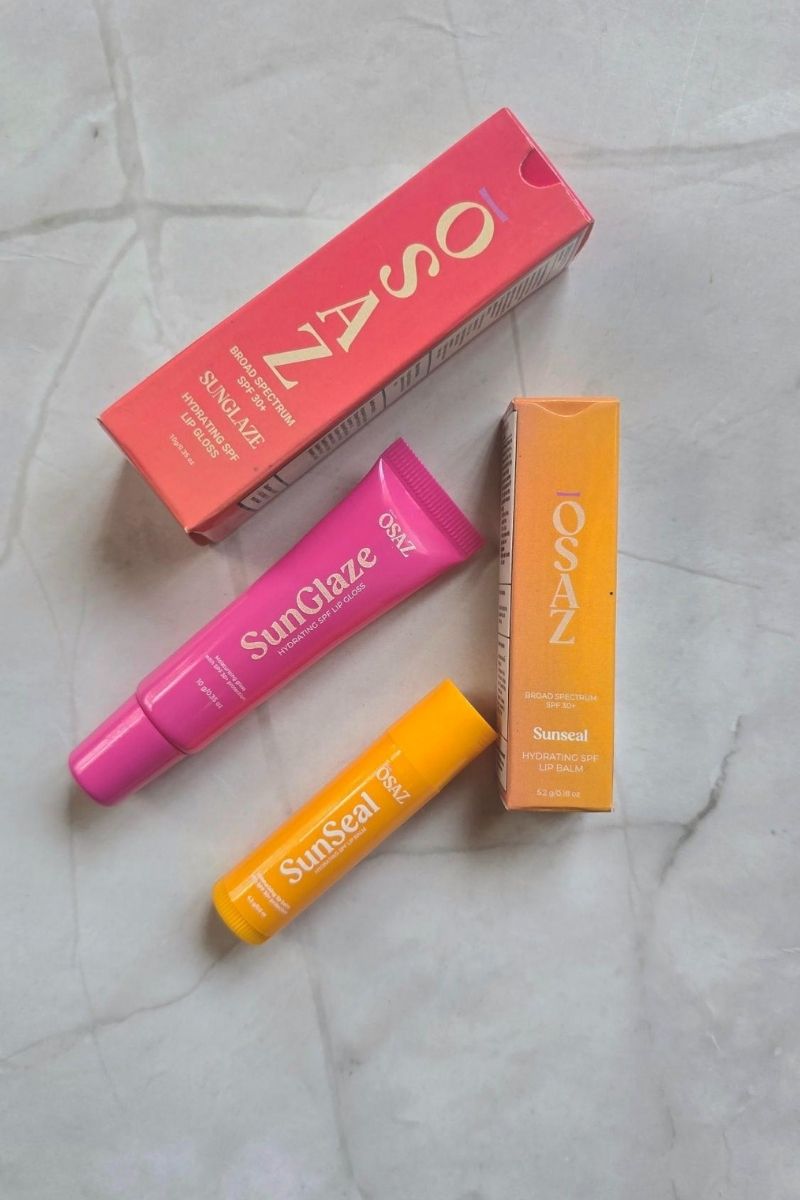
Advocacy, particularly within an emerging category, requires persistence. For Wanny, the motivation is tangible.
“The messages I get from people who’ve tried Nigerian brands because of me and seen results, that’s what keeps me going.”
But beyond outcomes, there is a broader intention. “It’s about representation. People should be able to see themselves in the products they use and feel confident that effective options are available at home.”
Redefining What Comes First
Looking ahead, Wanny is focused on a shift, not just in visibility, but in mindset. “I’d love to see a move from skepticism to curiosity,” she says.
For her, the goal isn’t simply for African beauty brands to be considered as alternatives, but as primary choices. “People should be more willing to explore without bias.”
Because the reality, as she sees it, is already clear. “The quality and excellence are there.”
What remains is for perception to catch up.