
For years, beauty brands have competed on formulations, ingredients, packaging and product performance. But as the African beauty industry grows increasingly competitive, could the next generation of brands differentiate themselves through something beyond the products they sell?
Consider how consumers discover brands, the experiences they associate with them, and the rituals they become part of. These interactions could become just as important as the products themselves.
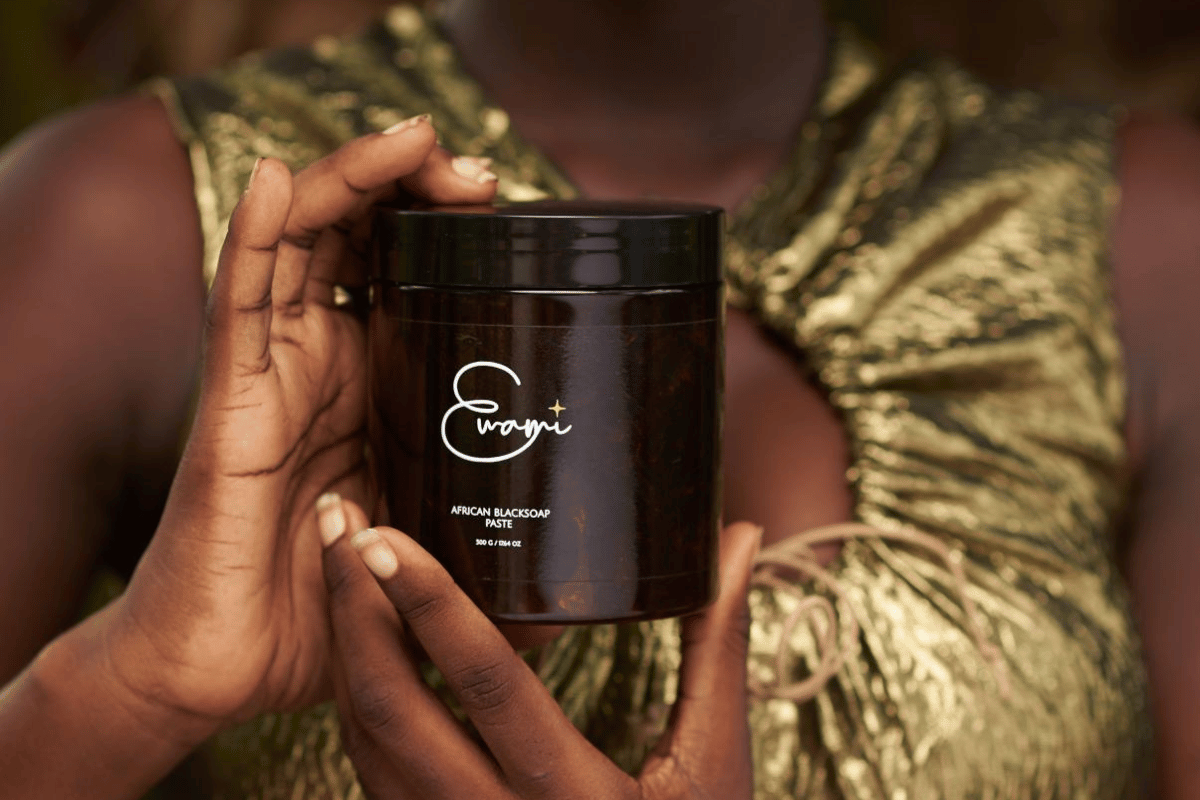
Ewàmi, a Nigerian-founded beauty and lifestyle brand, offers an interesting case study. Founded in 2013 as a skincare business, it is evolving into a broader house of care spanning skin, hair, family and home. Its founder, Oyindamola Bernard, describes the brand as “an experience design brand expressed through products”.
The idea challenges a conventional approach to beauty, shifting the focus from what a brand sells to the experience it creates.
“Beauty brands should be asking: What relationship are we helping people build with themselves?”
Oyindamola Bernard. Founder, EWAMI
Beyond the Product
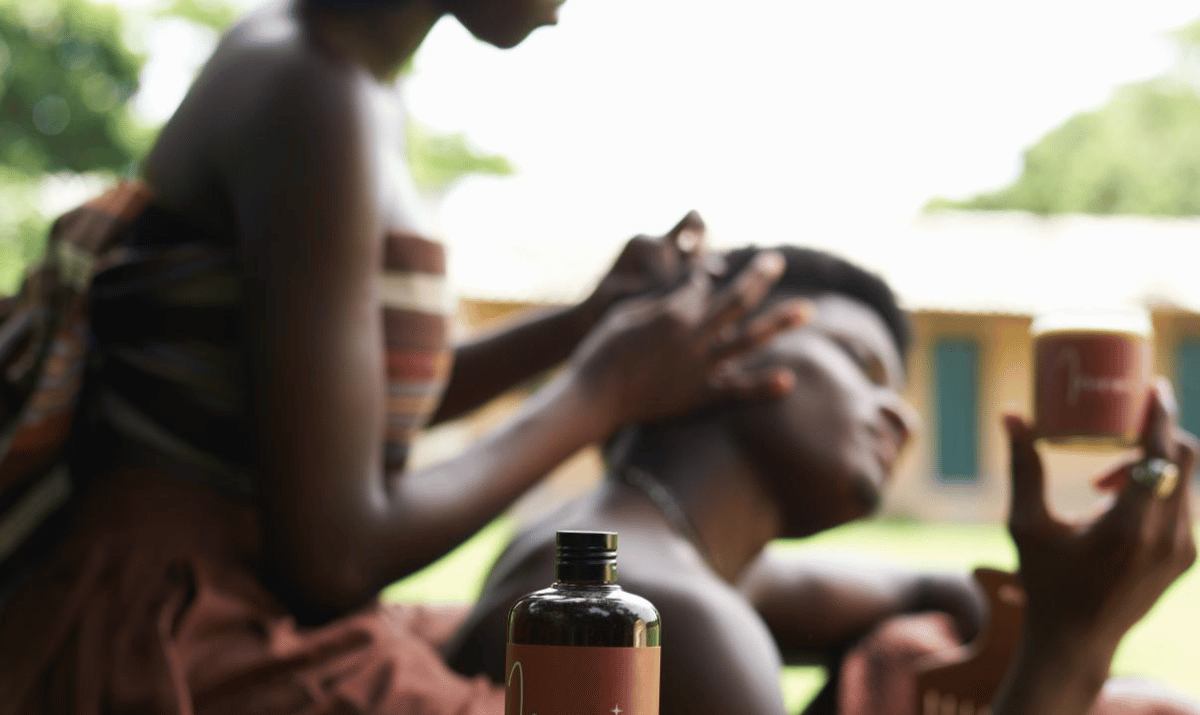
For Bernard, this philosophy is rooted in a childhood understanding of care. Growing up in Oyo, she watched her grandmother prepare African black soap, Ori and other materials for the family’s skin and hair. What began as an everyday expression of care eventually informed her approach to building Ewàmi.
As the brand evolved, so did her thinking about what it could become. Rather than focusing solely on skincare, she began exploring how the philosophy of care could extend into hair, family and the home.
“We begin with the life we want to improve, not simply with the item we want to sell,” she explains.
This thinking also shapes where Ewàmi hopes to connect with consumers. Its vision extends beyond traditional retail into salons, spas, hotels, restaurants and other environments where people encounter products as part of a wider experience.
The brand describes this journey as experience, memory, adoption: an initial encounter creates a memory that may eventually lead someone to bring the product into their own routine.
For beauty brands, this presents an opportunity to rethink discovery. A consumer might first encounter a product during a spa treatment or hotel stay, rather than on a shop shelf. The experience gives the product context, creating another reason to remember it.
From Products to Relationships
Experience, however, is not just about beautiful spaces or sensorial packaging. It also concerns how a brand makes people feel.
When asked what beauty brands should be thinking more deeply about, Bernard points to the relationship consumers build with themselves.
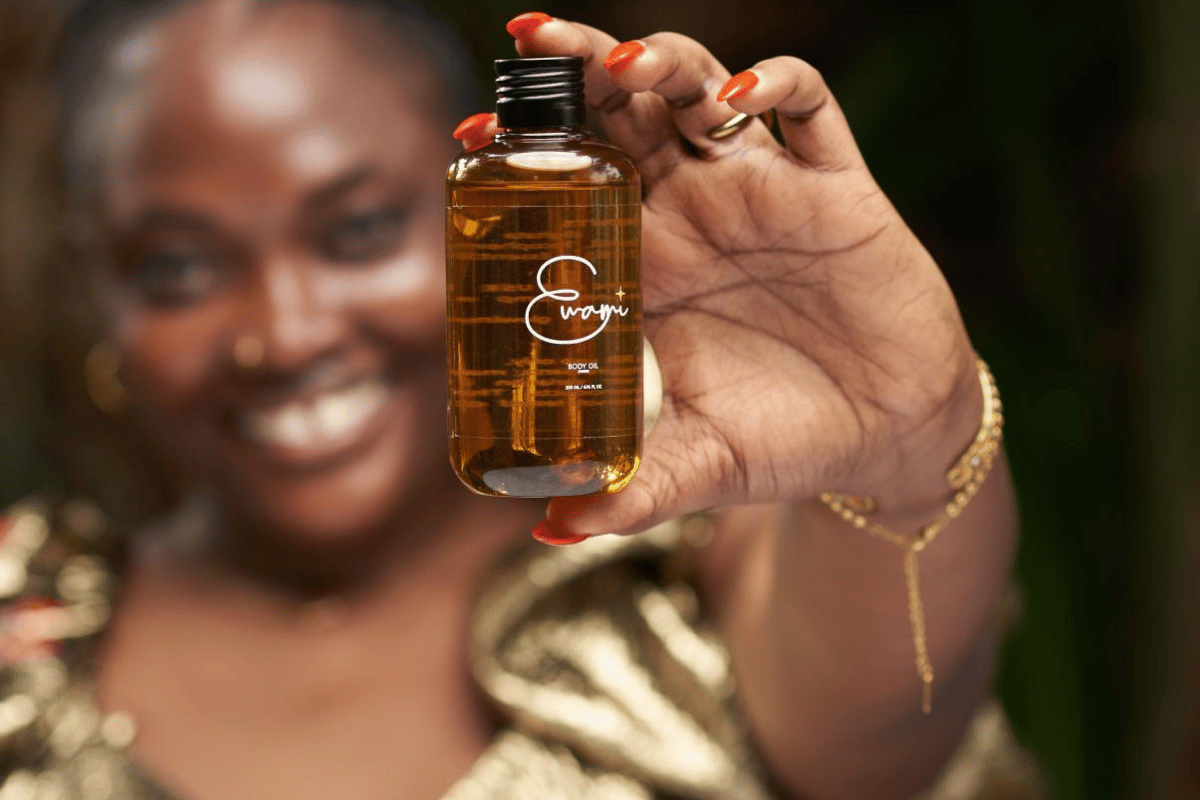
“Beauty brands should be asking: What relationship are we helping people build with themselves?”
She challenges an industry that can sometimes make consumers feel incomplete before offering products as the solution. For her, brands should consider not only product performance, but also the messages they communicate, the accuracy of their claims and how well they understand the people they serve.
This is particularly relevant for melanin-rich skin, where research, education and formulations that account for consumers’ specific needs remain important.
An experience-led approach, therefore, need not mean elaborate activations. It can also mean creating a brand experience in which consumers feel understood, informed and respected.
An Opportunity for African Beauty
Could African beauty brands build differently by starting with these broader ideas of care?
Bernard believes their opportunity extends beyond the use of African ingredients. It lies in combining cultural knowledge with scientific discipline, contemporary design and a close understanding of local consumers and environments.
“Our opportunity is to export not only African ingredients, but African ideas,” she says.
Realising this potential will require more than compelling storytelling. Investment in research, manufacturing, intellectual property and global standards will be essential if African brands are to build distinctive businesses and retain more of the value they create.
The product itself, of course, remains fundamental. No experience can compensate for a formulation that fails to deliver. But in an increasingly crowded market, product quality may be the foundation of a successful brand rather than its only point of differentiation.
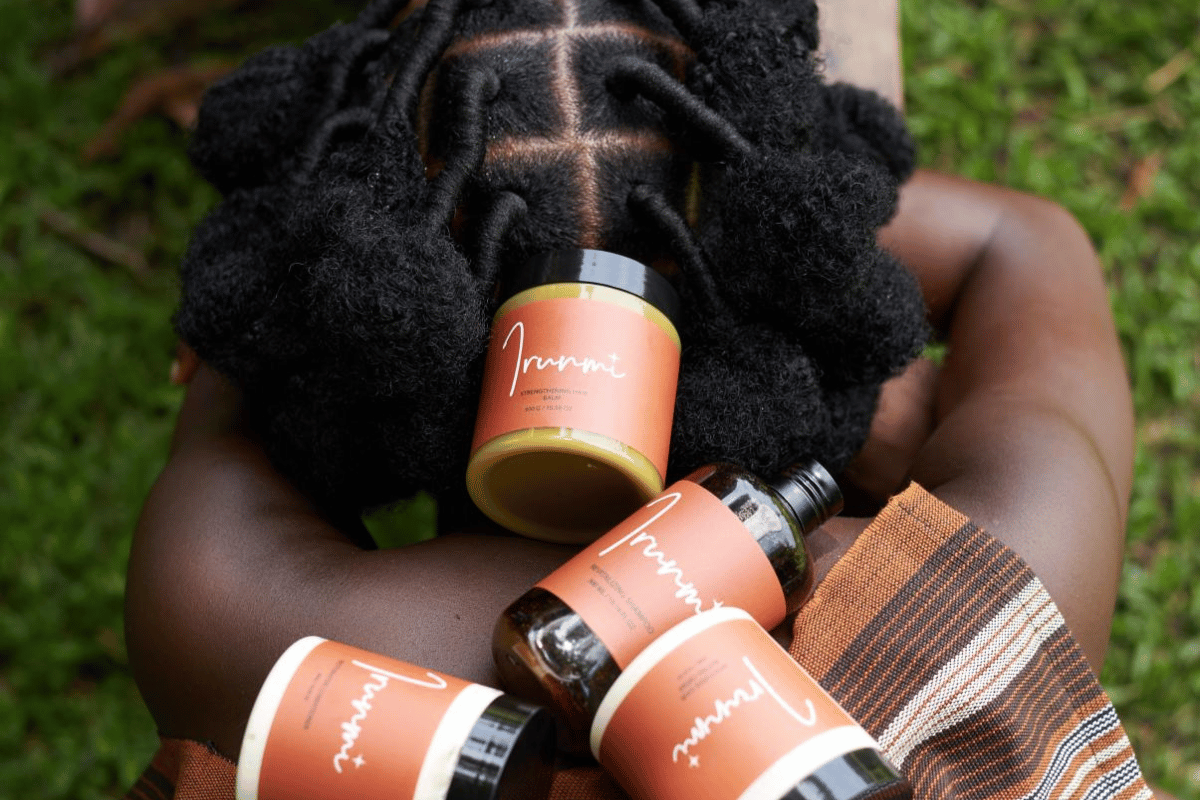
Ewàmi offers one example of how brands might connect products to the spaces, routines and relationships in which care happens.
For Bernard, the ultimate goal is for people to remember feeling “seen, considered and at home in themselves”.
Perhaps that is the opportunity for the next generation of African beauty brands: not to move away from products, but to think more expansively about what surrounds them.
The question is no longer just what a brand wants to sell, but what it wants people to experience, remember and carry with them long after the product is gone.