

In African beauty, skincare innovation and the rise of aesthetic medicine continue to dominate conversations, attracting much of the industry’s expertise, consumer interest, and cultural buzz. Yet beneath that momentum, one category has quietly remained misunderstood for years: Complexion Cosmetics.
For many consumers, finding the right Foundation still feels more like guesswork than science. From formulas that pull too red, too yellow, or turn grey on deeper skin, to undertones that remain widely misunderstood, the frustration is familiar.
While beauty brands continue expanding shade ranges and highlighting formulation, coverage, wear, and comfort, one critical gap often goes unaddressed: education. Consumers are being offered more options than ever before, yet many still do not fully understand how complexion matching actually works.
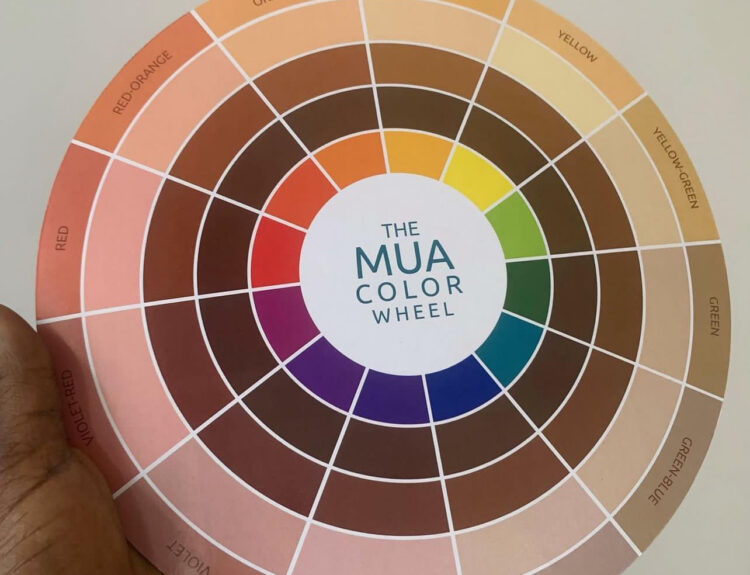
Few understand that better than Winifred Chiazor, a complexion educator, makeup artist, and creator of educational tools like Undertone Fix & MUA STIC, designed to make complexion matching more visual, practical, and accessible.
For this edition of BiL Curated Voices, BeautyInLagos sits down with the Nigerian expert helping reshape how African beauty understands undertones, color theory, and complexion artistry.
For those discovering Undertone Fix for the first time, what do you do, and what is the mission behind it?
Winifred Chiazor:
Undertone Fix is a complexion education brand. At its core, it is about helping people understand what is happening with their skin when they are trying to match foundation or work with color in makeup.
I started it because I kept seeing the same confusion play out, whether I was on set, in stores, or in online beauty conversations. People were guessing, and many existing resources were not explaining things in a way that connected to real life, especially for deeper skin tones.
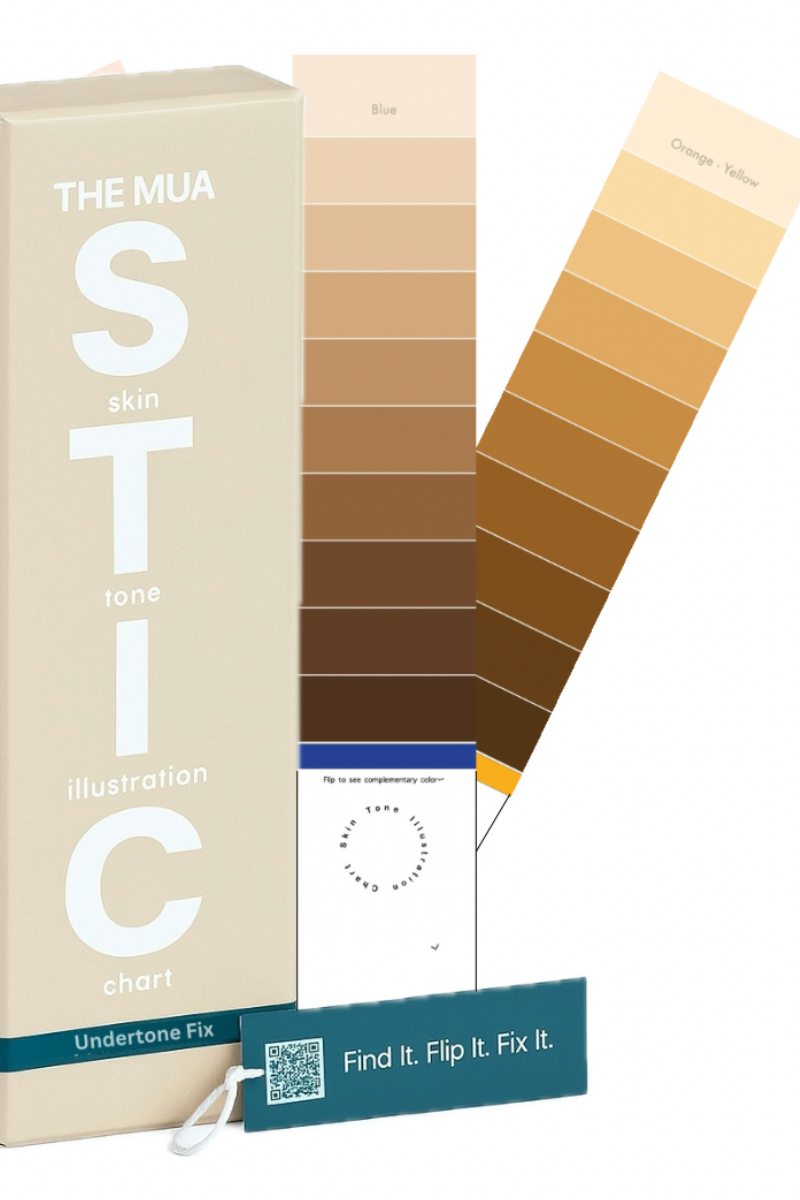
So I started building tools like the Undertone Fix Color Wheel and the MUA STIC to make complexion education more visual and practical.
“I always encourage people to approach matching with flexibility, rather than treating the label as the final answer.”
Winifred Chiazor, Founder, Undertone Fix
BiL: What first made you realise undertones and complexion matching were a major gap in makeup artistry?
Winifred Chiazor: Honestly, my own frustration. I was struggling to find the right complexion products for myself and for clients, and I quickly realised the problem was not unique to me.

Makeup artists and beauty consumers were asking the same questions: how to properly match foundation, identify undertones, and choose shades with confidence. Even in beauty stores, people were still being matched incorrectly. The focus was almost always on how light or dark a shade was, while undertones were barely part of the conversation. That was when I realised the real gap was not just products, it was education.
BiL: Why do so many consumers still struggle with foundation matching, especially on deeper skin tones?
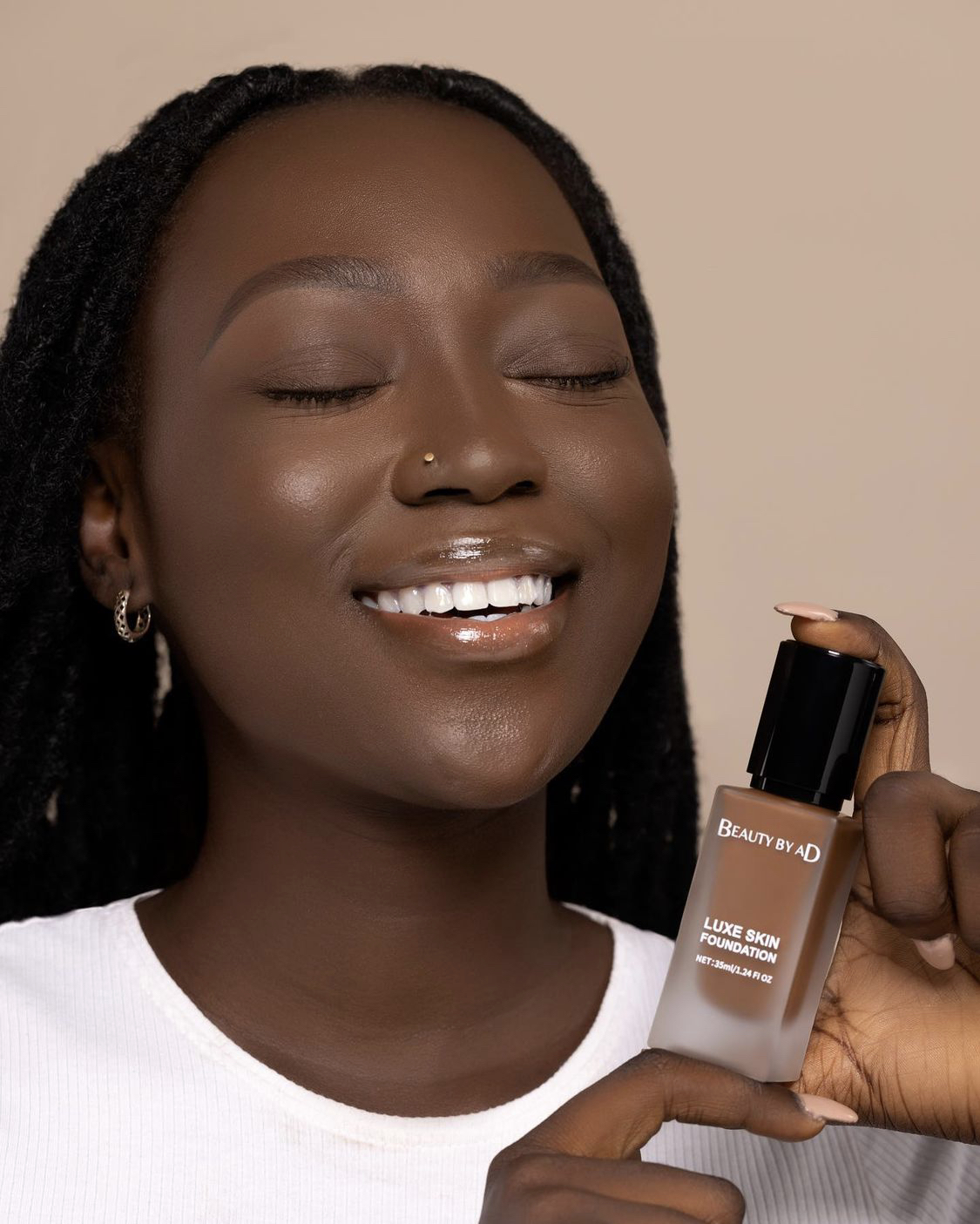
Winifred Chiazor: A big part of the struggle is that deeper skin tones were underserved by the beauty industry for a very long time. Foundation ranges started with lighter complexions, and when darker shades were eventually added, many still did not get the undertone balance right. That is why so many people with deeper skin tones grew up wearing foundations that looked too orange, too red, too yellow, or even grey. The industry has come a long way, but the education gap has not closed at the same pace. A lot of consumers are still choosing foundation based on depth alone, without understanding undertones, oxidation, or color harmony. That is why it matters that complexion education is being led from within African beauty spaces. We understand our skin, our environment, and the specific challenges that come with it.
One foundation straight out of the bottle is not always the final answer.
Winifred chiazor
BiL: What are some of the biggest misconceptions people still have about undertones and complexion products?
WC: One of the biggest misconceptions I see is the idea that undertones fit into neat categories: warm, cool, neutral, done. In reality, it is much more layered than that. Neutral undertones especially get misread. A lot of people think neutral means having no undertone, but neutral shades can still lean olive, golden, peachy, rosy, or even violet depending on the color balance in the skin. So two foundations can both be labelled neutral and look completely different once applied. I also think people underestimate how much color theory shows up in complexion work. Skin is nuanced, and one foundation straight out of the bottle is not always the final answer.

BiL: How has working with African skin tones shaped your approach to complexion education?
WC: It completely changed the way I see complexion artistry. It pushed me beyond surface-level shade matching and into actually studying color. Finding a foundation that was “dark enough” was never the finish line. Undertones, depth, saturation, how light hits the skin, how products shift, all of it matters. That deeper understanding also shaped how I share knowledge. I realised I was not the only one asking these questions, and the education side of what I do grew naturally from that.
BiL: Looking ahead, what changes would you love to see in complexion artistry across Africa?
WC: I hope we keep building African-led spaces for these conversations. Not waiting for the broader beauty industry to catch up, but creating our own tools, educational frameworks, and standards. And on a practical level, I want foundation matching to feel less frustrating for makeup artists and beauty consumers. That is what Undertone Fix is really working toward.
As African beauty continues to evolve, so too must the conversations shaping how consumers shop, how artists create, and how complexion is understood beyond shade numbers alone.
Through Undertone Fix, Winifred Chiazor is doing more than teaching undertones, she is helping build a new language around complexion, one rooted in education, representation, and African-led expertise.
And if her journey proves anything, it is this: the future of foundation matching will not be defined by labels alone, but by the knowledge behind them.
Where to find Undertone Fix
Undertone Fix Instagram: @undertonefix
Website: www.undertonefix.com
Winifred’s Instagram: @gwendilara